
IIFYM (If It Fits Your Macros) is the idea that as long as your daily intake of protein, fat, and carbohydrates hits your targets, the specific foods don’t matter. This diet focuses on the idea that weight loss is about calorie balance, known as the calories in, calories out model. While this diet absolutely will work for fat loss, there are many limitations to this diet that many advocates do not talk about. We will go over the pros and cons of this diet. Let’s break them down.
A Quick History of Dieting for Weight Loss
There is a long history of diets that come into and out of favor for varying reasons. Some because they are unsustainable, others because they are downright dangerous (I’m looking at you detox cleanse diets). It’s always a red flag when an advocate of a diet claims that any problems you encounter are your body “detoxing” or unnamed “toxins” leaving the body. Other popular weight loss diets that are more sustainable include the Paleo diet and the Mediterranean diet. As a dietitian, I consider the Mediterranean diet the gold-standard for long-term health with the most research backing it up, while Paleo can be helpful for many but can be restrictive.
The Rise of IIFYM Diets
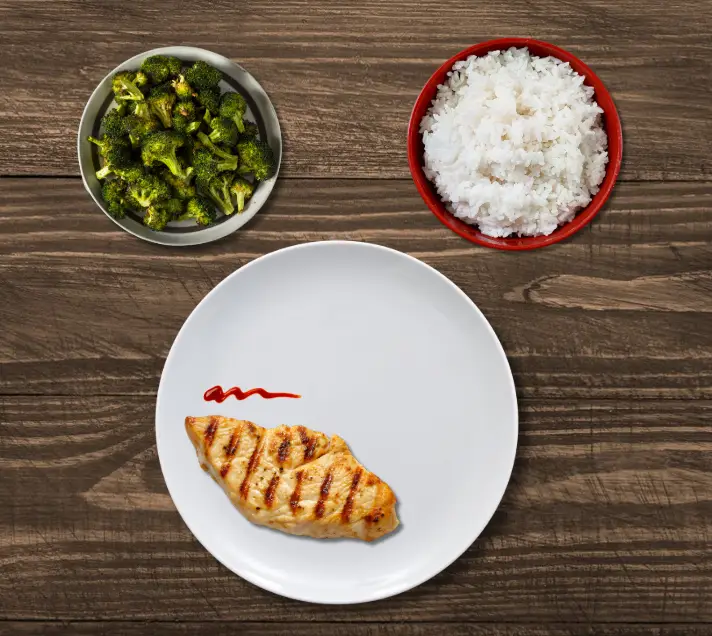
The IIFYM diet is nothing new. Bodybuilders have been using this style of dieting for decades. Many of you have probably heard celebrities brag about their “bro diet” consisting of plain chicken breast, broccoli, and rice day after day. This diet is one of the original ones that had the aim to be healthy and fit a specific range of macros. The problem is that it is bland, lacks most vitamins, and leads many to a hatred of “healthy” food. The reality is that healthy food should taste and smell good. Herbs and spices have minimal calories, add health benefits to your diet, and add a variety of flavors and aromas that will make you crave healthy eating.
The “bro diet” has evolved into an even more unhealthy style of diet. The reason is that it is now known that all that truly matters for weight loss is calories in and calories out (For more information on the nuances of this topic, read this article). IIFYM allows you to be flexible with your diets. Craving ice cream? You can fit it in your diet as long as you are within your macros! This is great. This makes the IIFYM diet more sustainable. However, this is often taken too far and ends up mimicking the typical American diet that consumes an average of 57% of foods as ultra-processed foods and minimally processed foods has decreased to 27%, both are continuing to trend in the wrong direction. In the past, protein was only obtained through real foods or protein shakes. Now, every major cereal brand, ice cream brand, and dessert brand are packing as much protein into them as possible. Every time there is a trendy diet that turns people to real food, the food industry markets the trendy parts of that diet into their ultra-processed options. I believe this is better than where we were, but it is never as good as eating real food.
Below is an example of a client I worked with that followed an IIFYM approach. As you can see, there are several deficiencies that would accumulate over time.
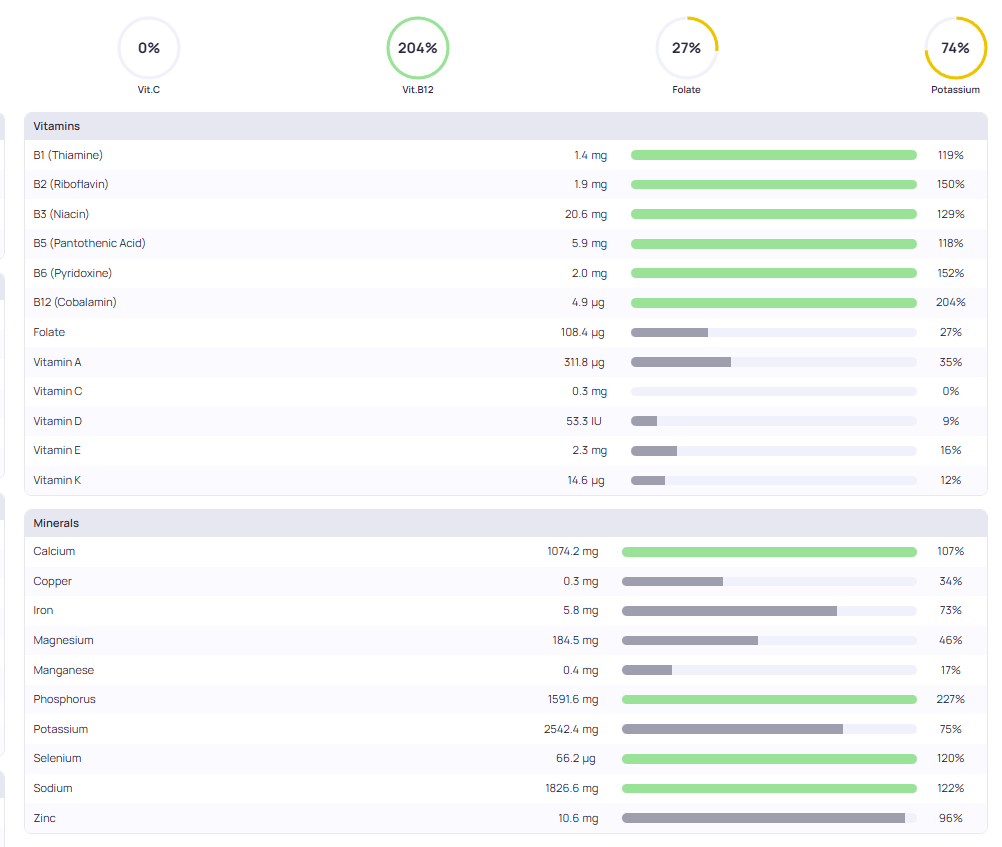
The next advancement for this diet was to add a multivitamin. Adding a daily multivitamin does prevent overt deficiency diseases (scurvy, pellagra, etc.), but it still leaves gaps that are more challenging to diagnose or observe.
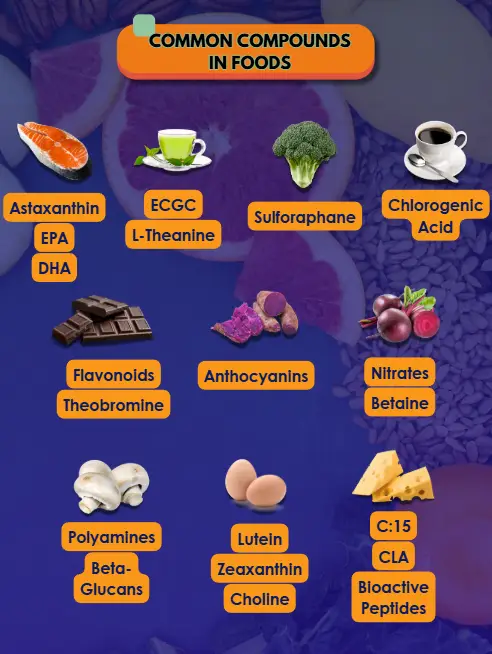
The Catch: The Power of Polyphenols, Antioxidants, Fibers and Omega-3s.
Multivitamins promise to solve all weak links in your diet, yet they are unable to fill in the gaps of polyphenols, antioxidants, and fiber types. While some multivitamins do implement some polyphenols, antioxidants, or fibers there are over 8,000 identified polyphenols with only a small fraction that have been studied in depth. Popular examples you’ve likely heard of include:
Lycopene: Tomatoes -> heart health
Lutein: Leafy greens + eggs -> eye health
Anthocyanins: Blueberries -> antioxidant status
Beta-Glucans: Mushrooms + oats + barley -> immune + blood sugar control + anti-cancer benefits
Lignans: Flax seeds -> hormone and cancer risk benefits
Inulin: Artichokes + chicory root -> blood sugar control + beneficial gut health effects
While no one gets ALL of the polyphenols and fibers, that’s not really what is important. Research appears to indicate that polyphenols synergize with each other to amplify their effect. Having a combination of polyphenols may very well have added benefits compared to having 2 grams of anthocyanins on their own.
Pros and Cons of IIFYM
| Pros | Cons |
| Simplicity | Deficiencies without multivitamin |
| Flexibility | Requires constant tracking |
| Enjoyable | Poor gut health without varied fiber |
| Better adherence | Often leads to high processed-food intake |
| Fantastic way to learn how to count carbohydrates, fats, and proteins |
What To Take Away
My recommendation is that IIFYM is a fantastic introduction to living a healthier life. When combined with a calorie and macro tracker, it educates you on macro intake. It teaches you how many calories are in your favorite foods without completely overwhelming you. It is also great for short weight loss goals, such as a bodybuilding competition.
Over time, as you become more advanced with nutrition, build strong habits that help you with cravings, learn new recipes that you can meal prep that you love, and develop your taste profile to enjoy a wider variety of whole-foods, the end goal should be to transition into a more whole-food diet.
This is not a blog meant to dismiss the IIFYM. Everyone should record their macros from time to time for a week as a reminder of the calories and macros they regularly eat. It’s meant to encourage continued improvement over time and to avoid stagnation. Novelty is the spice of life and food should be no different.
If you’re tired of guessing and want personalized guidance that actually fits your crazy schedule, book a free 15-minute consultation with me today. Booking link here.
References
https://ajcn.nutrition.org/article/S0002-9165(22)00125-3/fulltext
https://pubmed.ncbi.nlm.nih.gov/34647997/
https://www.sciencedirect.com/science/article/pii/S0002916522033500
https://pmc.ncbi.nlm.nih.gov/articles/PMC10600480/
https://lpi.oregonstate.edu/mic/dietary-factors/phytochemicals/lignans